 Rewards infrastructure for Africa
Corporate Gift Ideas for Nairobi Companies: A Practical Guide
A practical guide for Nairobi-based HR and procurement teams — what to prioritise, why local fulfilment matters more than most companies realise, and real product options across every budget tier.
Abby Sotomiwa
Co-Founder & CEO, RibiRewards

Quick answer: Nairobi companies buying corporate gifts should prioritise local fulfilment (not imports that stall at customs), practical branded items over novelty giveaways, and a delivery partner who can actually cover Westlands, Upper Hill, and Karen offices on the same schedule. RibiRewards fulfils nearly 100 branded products locally, plus RewardsCard for flexible team-wide sends.
Nairobi has a dense, competitive corporate gifting market — most of it built around bulk-order suppliers offering the same handful of items: pens, diaries, keyholders. There's nothing wrong with the format; the problem is that most of it is generic enough to be forgettable, and imported stock often means longer lead times and higher landed cost.
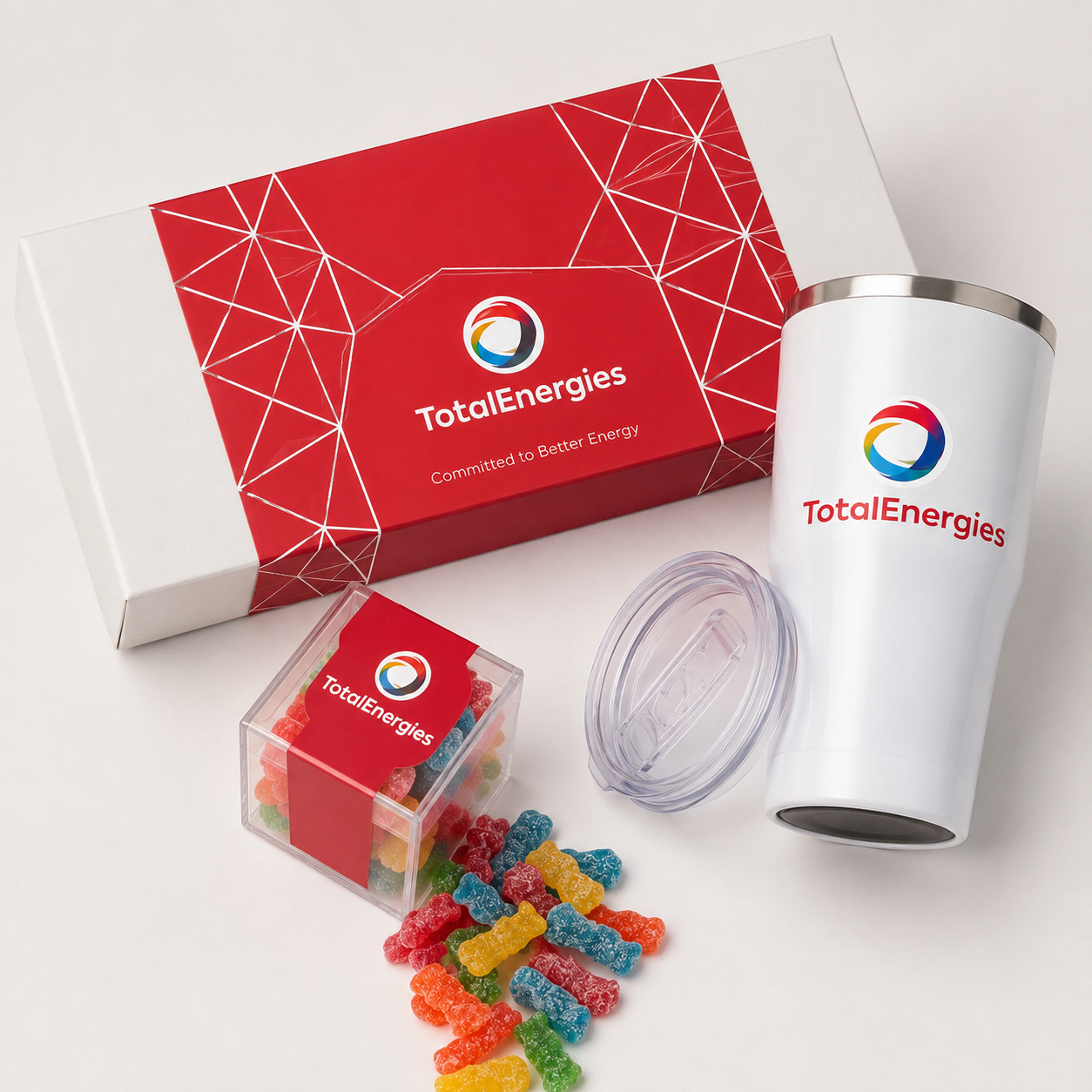
What actually works for Nairobi-based teams
Practical, branded drinkware is consistently the strongest performer — insulated bottles and flasks that get carried to work daily, keeping the branding visible well past December. Branded gear (backpacks, duffel bags) works especially well for teams that move between Nairobi's business districts and beyond — Mombasa, Kisumu, Nakuru — since a well-made bag gets used on every trip. Curated gift sets are the better choice when you want one considered gift rather than a bundle of unrelated items, particularly for client gifting where presentation matters as much as content.
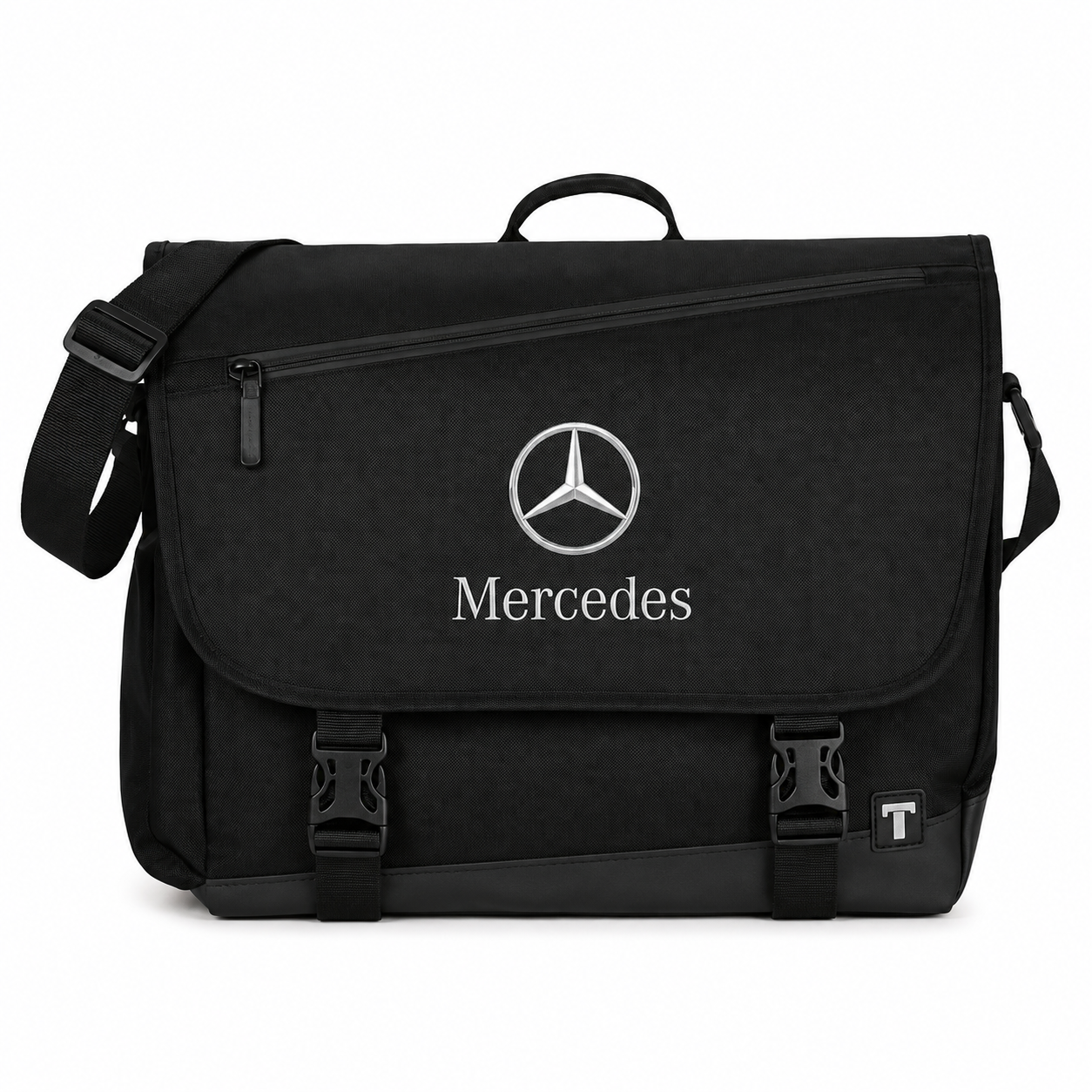

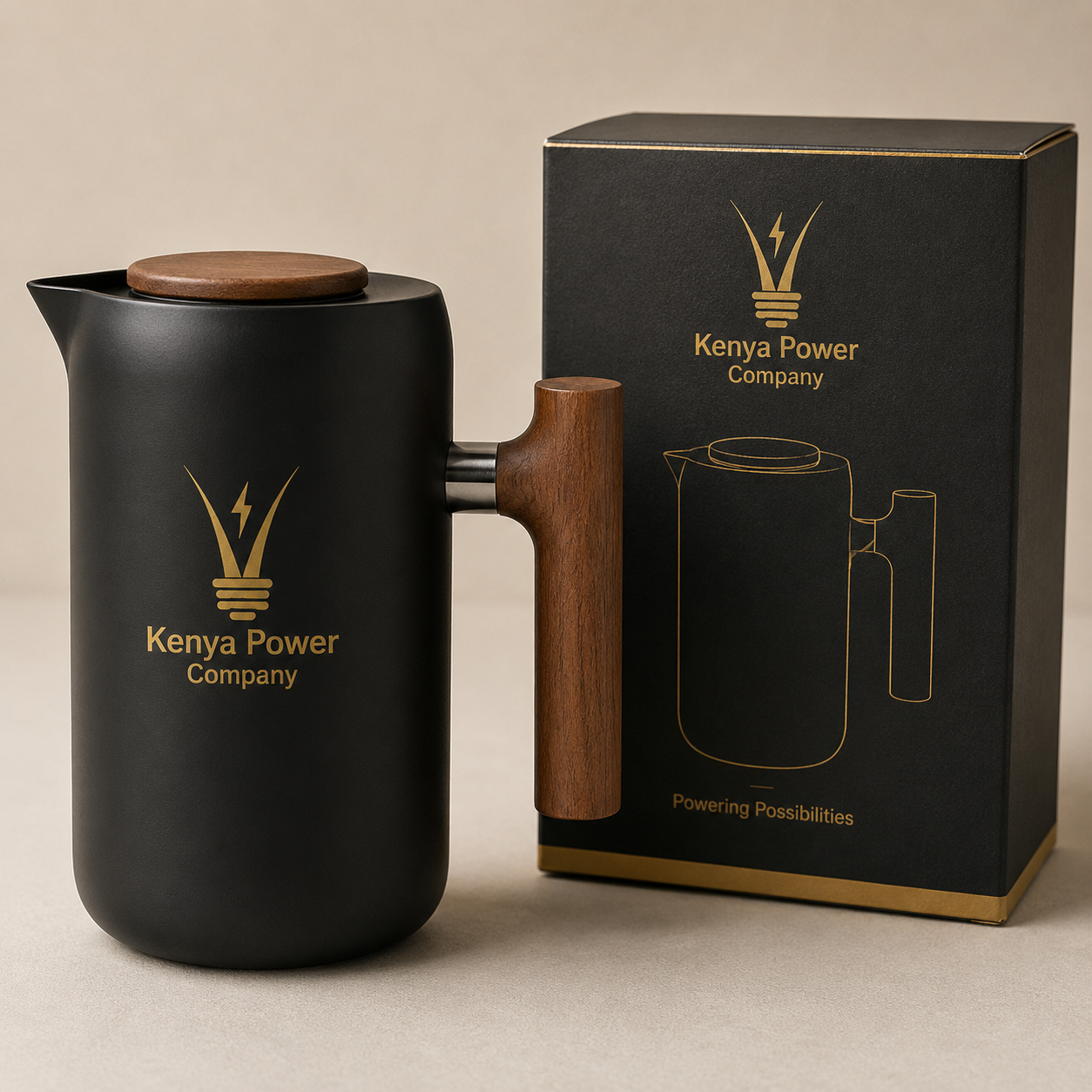
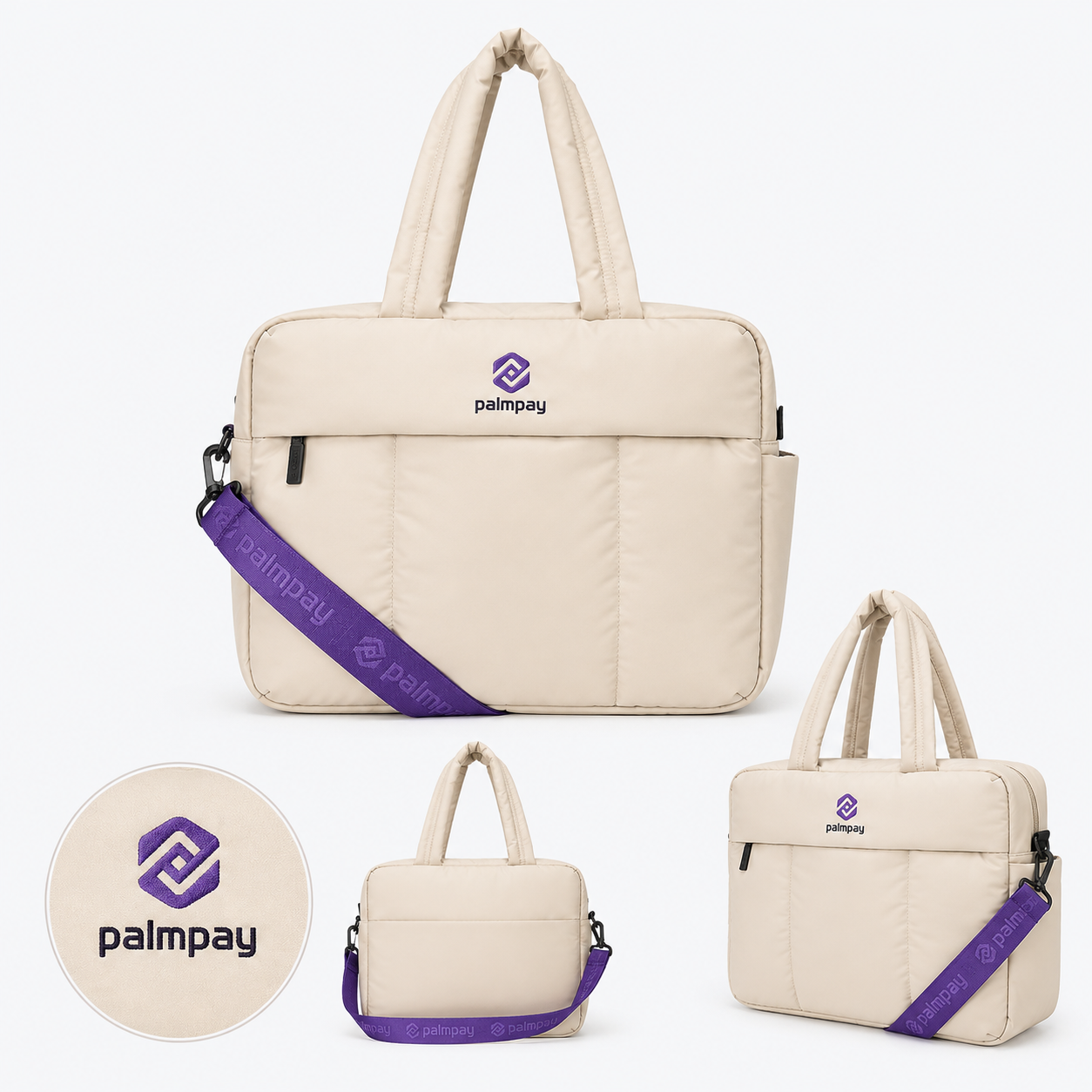
Local fulfilment matters more than most companies realise
A significant share of corporate gift delays in Nairobi come down to imported stock stuck at the port or in customs clearance in early December — precisely when you need certainty most. Locally sourced and branded products avoid that entirely, with realistic delivery timelines across Nairobi's business districts and beyond.
For distributed or remote teams
If your team isn't concentrated in one Nairobi office — field staff, remote hires, teams across multiple Kenyan cities — a RewardsCard loaded with a KES balance reaches everyone instantly and lets each employee choose locally. It's a strong option for broad, all-staff gifting; the physical catalogue above is the better call for a client gift or a milestone recognition moment.
Get pricing for your Nairobi team
Nearly 100 branded products, plus flexible RewardsCards, fulfilled locally across Kenya. Browse the full December collection or talk to the team.
Related reading
Abby Sotomiwa
Co-Founder & CEO, RibiRewards
Building rewards and recognition infrastructure for African and diaspora markets.
RibiRewards Insights
Practical analysis on incentive strategy, programme operations, reward delivery, markets and infrastructure across Africa.
Ready to sort December gifting across Africa?
Most companies that leave it to November are scrambling. Book a call now and we'll have your programme configured and ready before Q4 crunch.
Gift Card API for Africa: Multi-Country Rewards Through One Integration
A practical guide to integrating local gift cards and reward delivery across African markets without building a supplier stack country by country.
Africa Rewards API: A Technical Guide for Global Reward Platforms
What global rewards, loyalty and incentive platforms need from an African rewards API: catalogue, funding, issuance, webhooks, reconciliation and local fulfilment.
How Global Incentive Platforms Can Add African Reward Coverage
A commercial and operational framework for extending an existing incentive or rewards platform into African markets through one infrastructure partner.